WONDALL HEIGHTS STATE SCHOOL
Positive Behaviour for Learning
Safe. Respectful. Responsible. Every day, in every setting.
At Wondall Heights State School, Positive Behaviour for Learning (PBL) helps us build a safe, caring and productive school community. We explicitly teach expected behaviours, recognise students when they demonstrate them, and use school-wide information to guide improvement.
Our three expectations
SafeWe look after our own safety and the wellbeing of others. | RespectfulWe use kind words, value others and respect everyone’s right to learn. |
ResponsibleWe make positive choices, take responsibility and care for our school. | |
These expectations apply in classrooms, playgrounds, specialist lessons, school activities, excursions and online learning.
How PBL works at Wondall
We teachStaff model and explicitly teach expected behaviours in the places students use them. | We recognisePositive feedback and rewards acknowledge students for making safe, respectful and responsible choices. |
We use evidenceBehaviour information helps the school identify focus areas and improve its approach. | We provide supportAdditional targeted or individualised support is available when students need it. |
Recognising positive behaviour
Positive reinforcement includes verbal encouragement, recognition and our Dougie rewards. These help students see that their positive choices are noticed and valued.
Dougie StampsStudents can earn stamps during classroom learning and work towards individual rewards. | Dougie DollarsStudents can earn dollars outside the classroom. These contribute to class and school totals. |
Individual reward opportunities and school-wide recognition are managed through the school’s PBL processes.
PBL in action
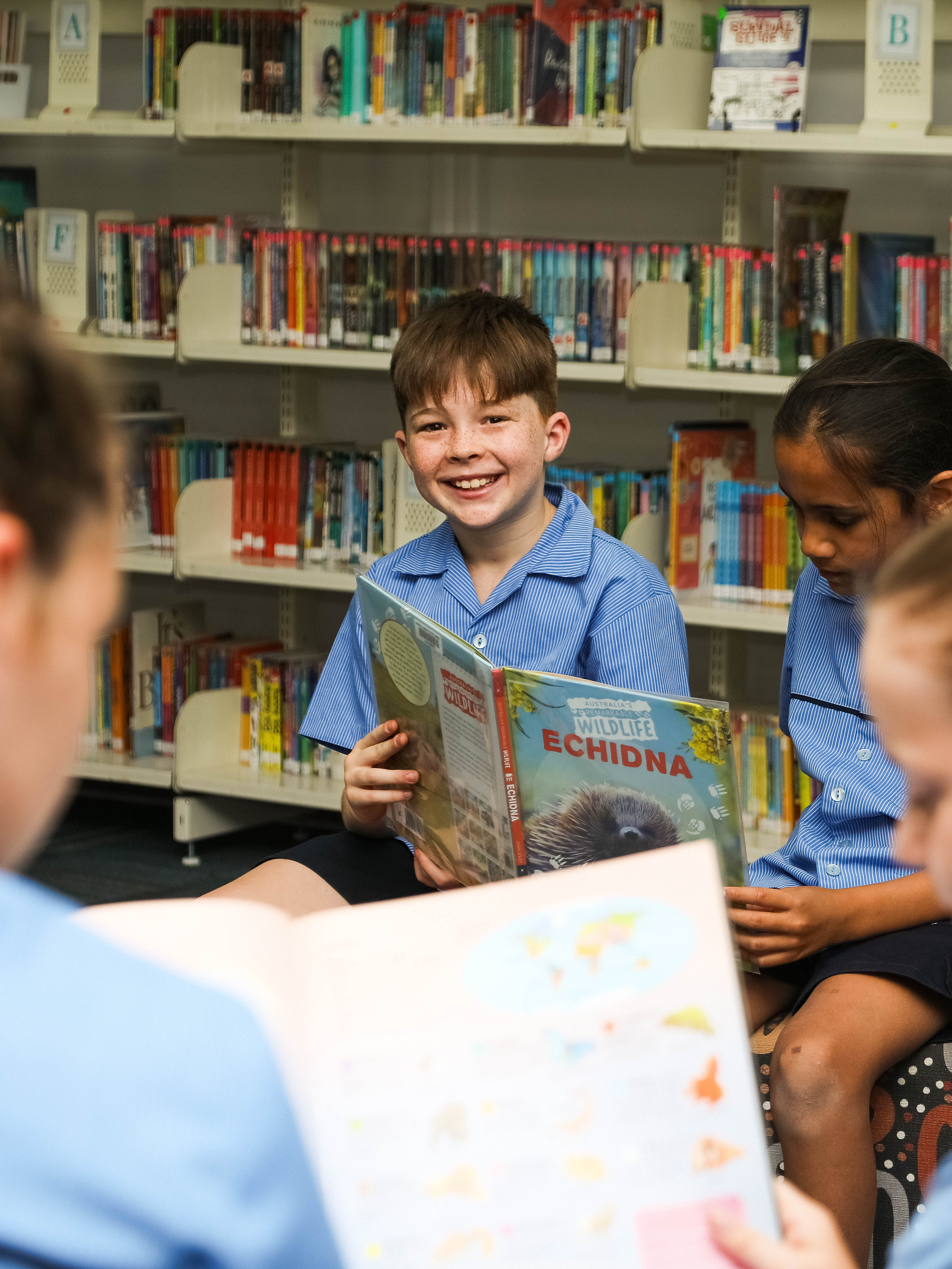 | Learning togetherPositive relationships and shared expectations support classroom participation, social development and student wellbeing. |
Why it matters
PBL supports positive relationships, engagement in learning, confidence, problem-solving and a welcoming school culture. Families play an important role by reinforcing the same expectations and working in partnership with teachers.
Student Code of Conduct
The Student Code of Conduct outlines the school’s behaviour expectations, support processes and responses.
Read the Student Code of Conduct (PDF)
The currently linked document is labelled 2024–2026. Check for the approved replacement when available.
Further information
Learn more about the school’s behaviour management approach, or contact the school to discuss student support.